Why 3D Printing Is the Right Tool for This Job
On misconceptions, engineering materials, and what it actually takes to keep a 40-year-old car on the road.
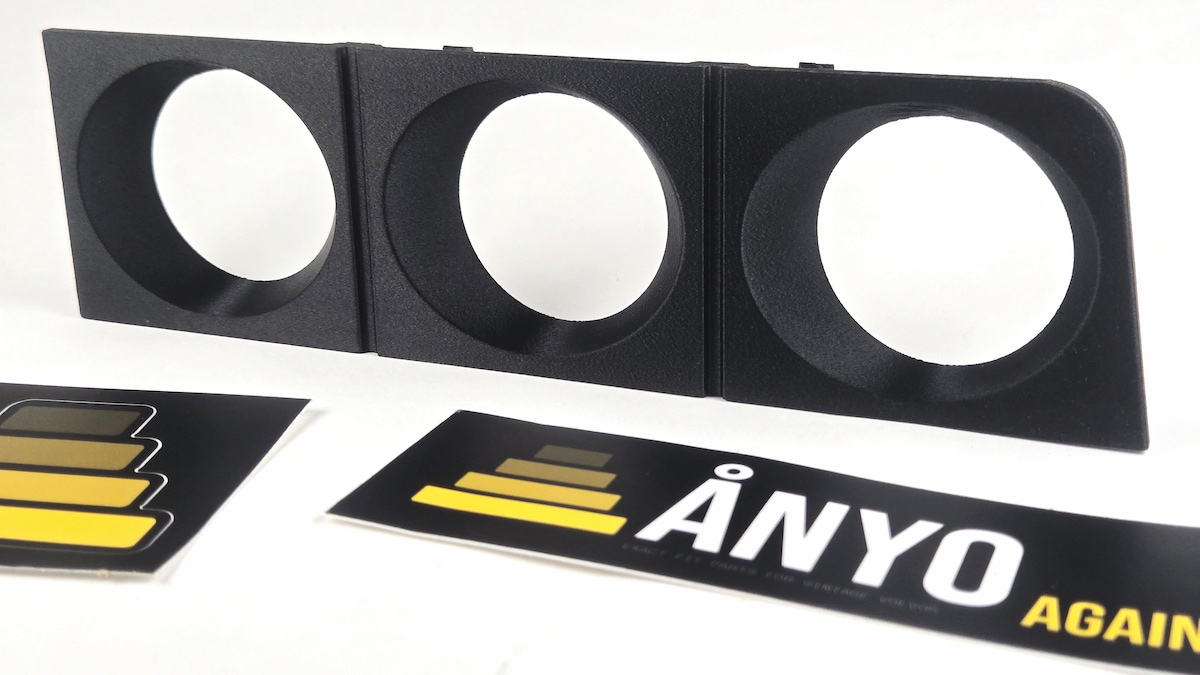
Every so often someone will point out that 3D printing isn't a "production grade" manufacturing method. They're not entirely wrong. If you need a million identical parts, printed in a garage in Portland is probably not your first call.
But that's not the problem Ånyo is solving.
The Part That Shouldn't Exist
The Volvo 240 triple gauge bezel went out of production decades ago. The cars it fits — 1981 through 1993 — number somewhere in the tens of thousands still on the road in the US. Maybe fewer. The people who want this part are a specific, passionate, and deeply resourceful group. They are not a mass market.
Injection molding tooling for a part this complex starts somewhere around $10,000 and goes up from there. That tooling cost has to be recovered across every unit sold. At the volumes this market supports, the math doesn't work — not at a price anyone would actually pay. This is why the part disappeared in the first place. When Volvo stopped making 240s, the economic case for keeping the tooling alive evaporated.
3D printing doesn't have that problem. There's no tooling. No minimum run. No inventory sitting in a warehouse. Every part is made when someone orders it, from a file that took weeks to develop and has been fit-tested on a real car. The economics work at low volume precisely because the upfront cost is in time and expertise, not in steel molds.
That's not a limitation of the technology. That's the point.
What People Picture When They Hear "3D Printed"
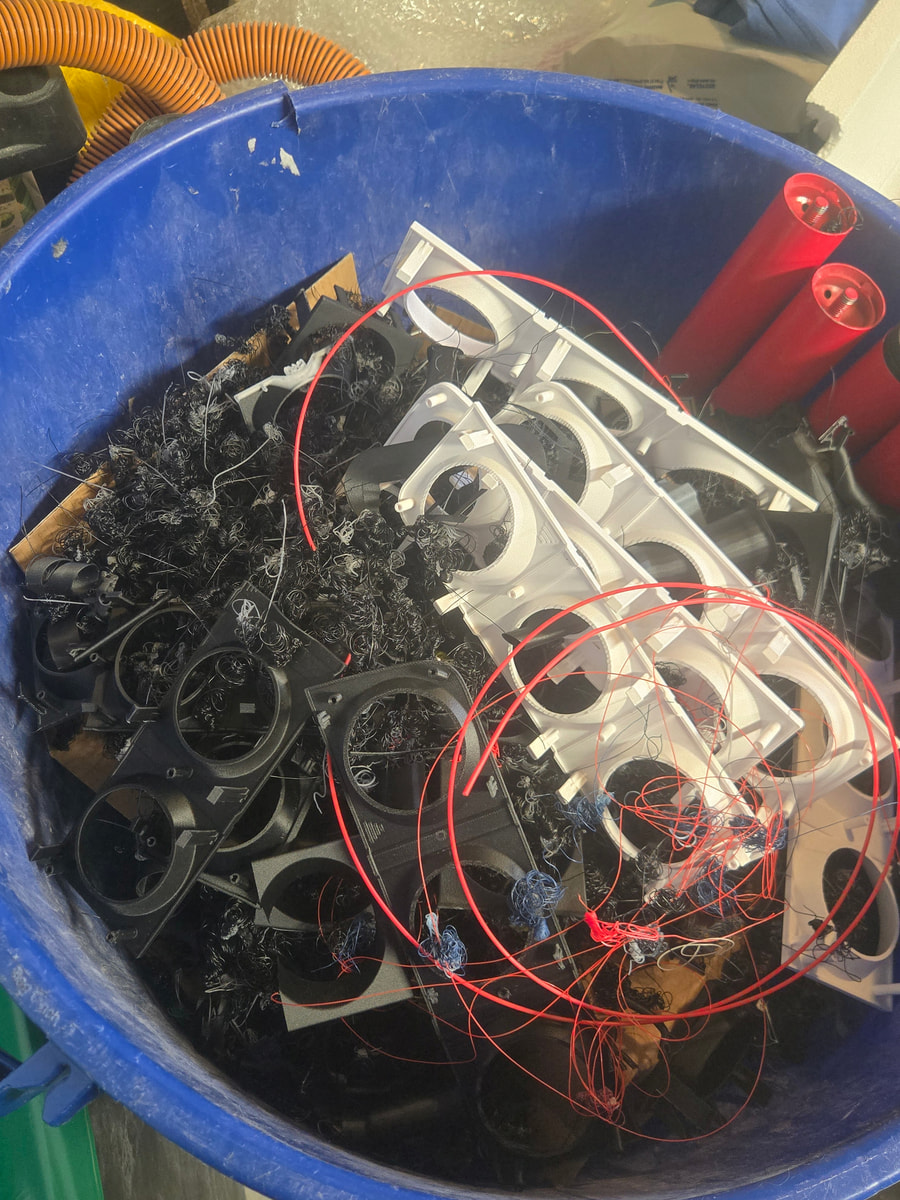
Most people's mental image of 3D printing involves a desktop machine humming away in a bedroom, producing something in bright blue PLA that will warp in a hot car and crack if you look at it wrong — articulated dragons, fidget spinners, things that are impressive to watch and useless in practice. That image isn't wrong. It's just not what's happening here. The Bambu Lab H2 line wasn't built for novelty prints. It was built for people who need consistent, repeatable results from engineering-grade materials in a controlled environment. That's a different machine for a different purpose, and it has almost nothing in common with the desktop printers most people picture.
The H2 line runs a fully enclosed, actively heated chamber. That matters because ASA — the material every Ånyo part is made from — requires consistent ambient temperature to print without warping, cracking, or delaminating between layers. You can't print it reliably on an open-frame machine. The chamber isn't a luxury. It's a requirement.
ASA itself is an engineering thermoplastic developed specifically for outdoor and automotive applications. It's UV-stable where PLA yellows and becomes brittle. It handles heat where PLA softens and deforms. It's impact-resistant where PLA shatters. The Volvo 240 shipped with interior parts made from ABS — a close relative of ASA. In every relevant property for this application, ASA matches or exceeds what the factory used forty years ago.
Carbon fiber reinforced ASA goes further. Shorter fibers distributed through the matrix increase stiffness and reduce thermal expansion. The surface finish — that distinctive matte texture with visible fiber orientation — isn't a byproduct. It's intentional. It reads as upgraded, not imitation.
This isn't hobby printing. The materials, the machine, and the process are in a different category entirely.
What "Production Grade" Actually Means
Production grade means consistent. Repeatable. Fit for purpose. It means the part does what it's supposed to do, every time, without the customer having to think about it.
The first person who bought a gauge bezel from Ånyo left a review that said: "Appears OEM in my Volvo."
That's the standard. Not "pretty good for 3D printed." Not "works fine." Appears OEM. In a car that was built with this part originally, forty years ago, by one of the most obsessive automotive companies that ever existed.
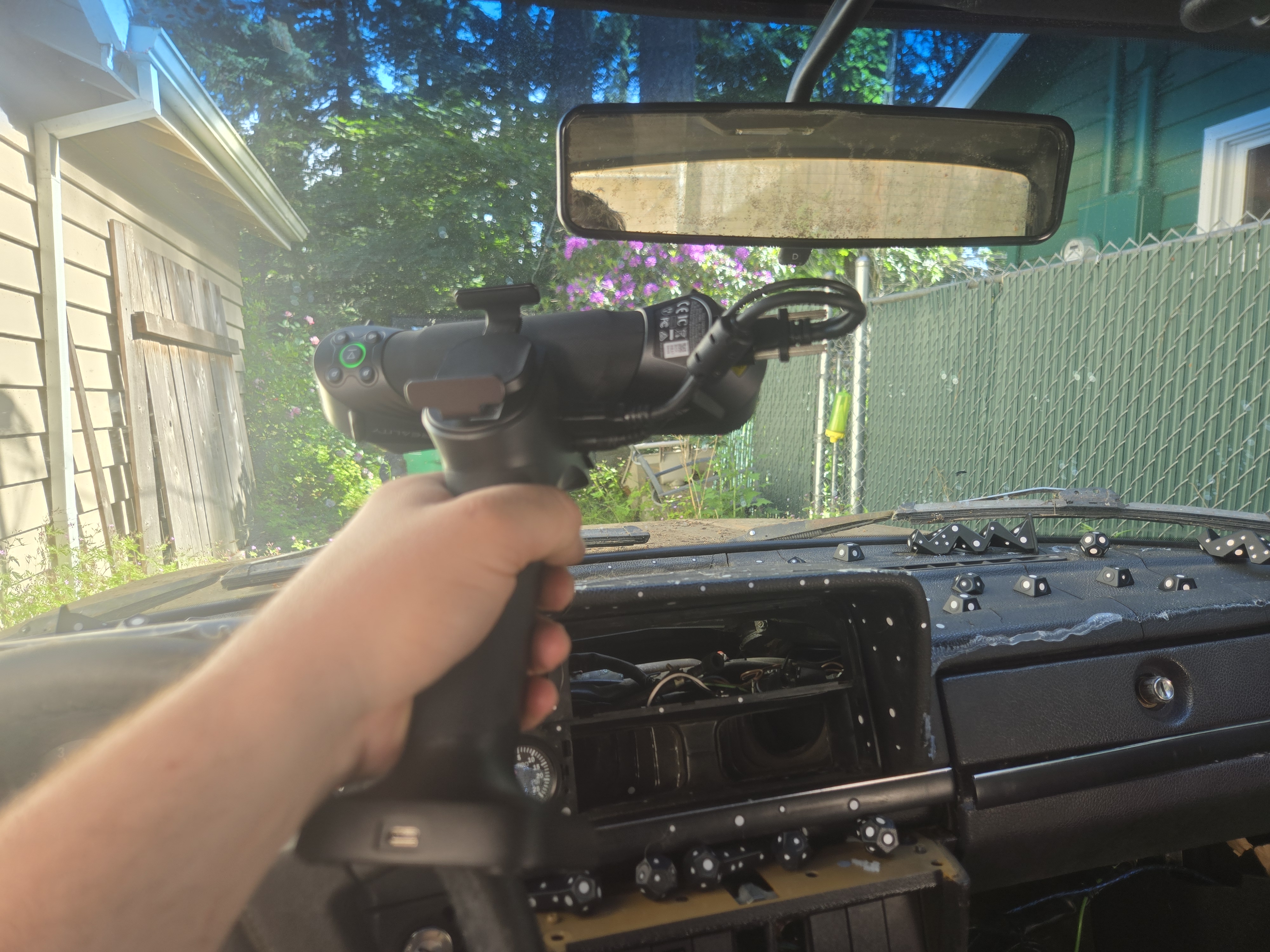
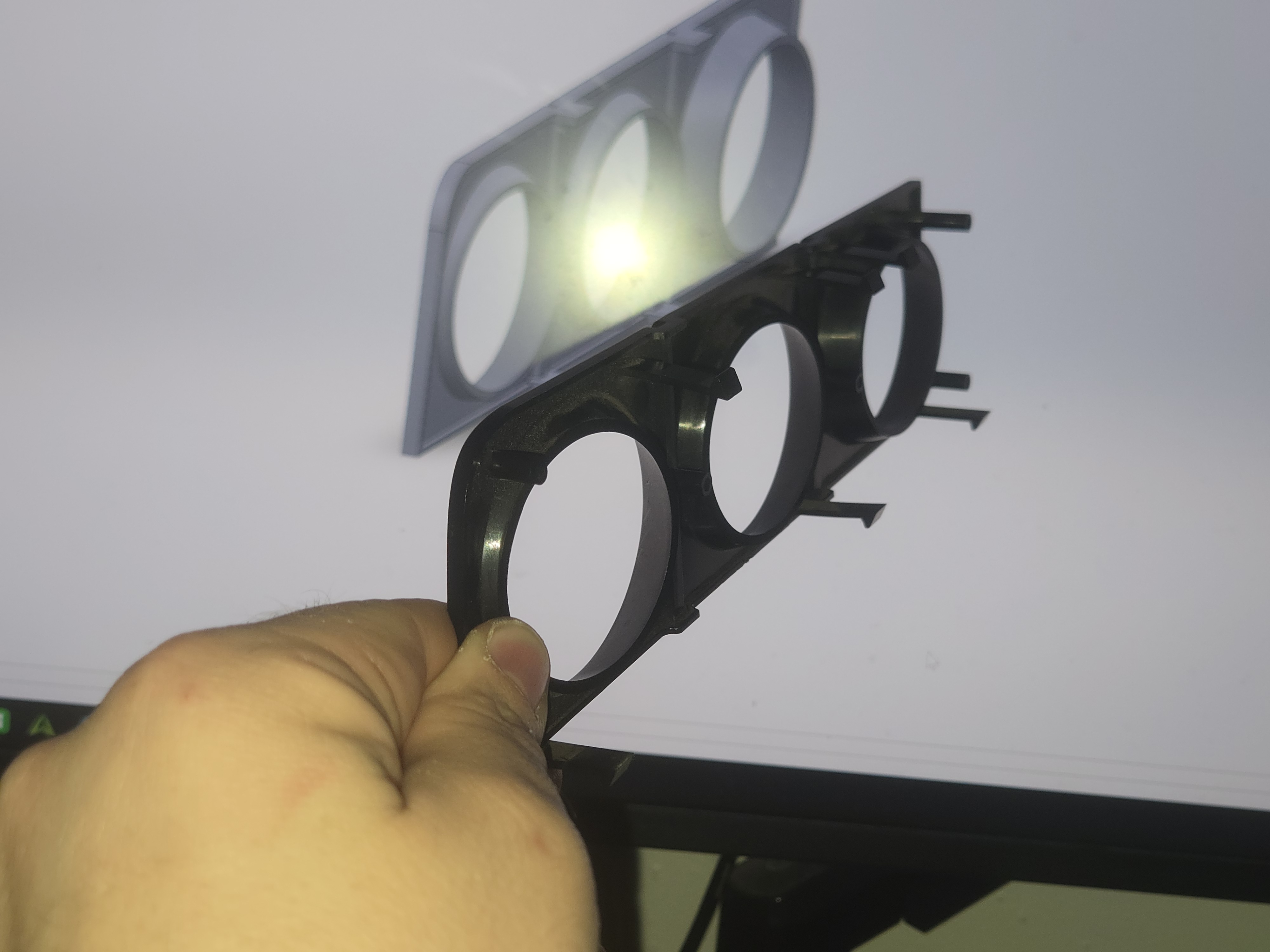
Every part in the Ånyo catalog starts with a scan of an original component. The geometry is traced, modeled, iterated, and test-fitted in a real 240 before anything gets listed. If it doesn't fit correctly, it doesn't ship. That process takes longer than printing the part. That's intentional.
The Right Tool for the Right Job
My father was a Volvo mechanic for decades. He kept these cars alive with whatever tools and ingenuity were available — factory parts when they existed, fabricated solutions when they didn't. The work wasn't about the method. It was about the outcome. The car runs. The part fits. The owner drives away.
Ånyo exists because the parts that should exist don't anymore. The factory stopped making them. The aftermarket never picked them up. And a community of people who love these cars more than makes any rational sense keeps showing up anyway, looking for solutions.
3D printing is the tool that makes those solutions possible in 2026. Not because it's the flashiest option or the most scalable one. Because it's the one that actually works for a forty-year-old Swedish car with a devoted but finite community of owners.
The technology has earned its place here. The parts prove it every time someone installs one.